Birthdays are meant to mark life. They arrive each year with candles, calls, and quiet reflection. They measure growth, survival, and the passage of time. Yet when death intersects with that date, celebration becomes complicated. A day once associated with joy can transform into something layered with memory, grief, and reverence.
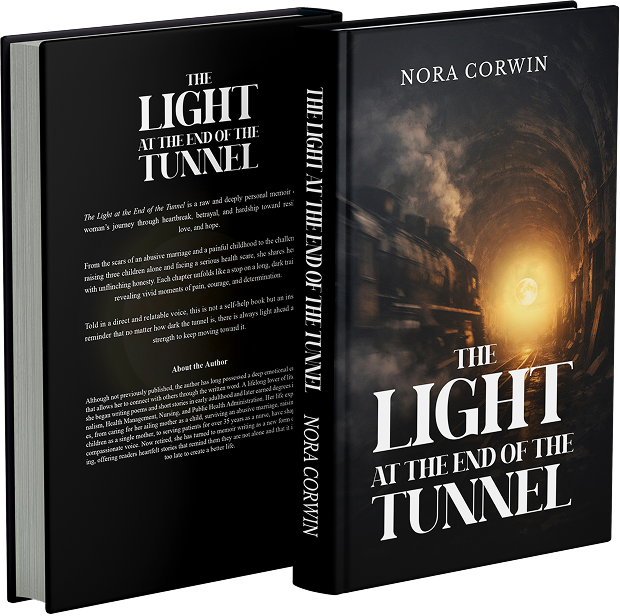
In The Light at the End of the Tunnel by Nora Corwin loss is not treated as a single moment. It is shown as an experience that reshapes ordinary milestones. When someone dies on or near your birthday, the emotional association shifts. The calendar no longer carries a single meaning. It holds both arrival and departure.
Grief does not follow social expectation. Others may continue to view your birthday as a day of happiness, unaware of the quiet weight attached to it. You may find yourself smiling outwardly while internally revisiting hospital rooms, final conversations, or the silence that followed. The date becomes a bridge between life’s beginning and life’s ending.
Psychologically, anniversaries intensify memory. The body often remembers before the mind does. As the date approaches, subtle changes can occur. Sleep may feel restless. Concentration may drift. Emotions may surface without clear explanation. This phenomenon is common in grief cycles. The nervous system marks time even when we try not to.
There is also a shift in perspective. A birthday after loss often carries deeper reflection. Questions about purpose, legacy, and faith become more pronounced. Instead of focusing solely on celebration, the day may invite contemplation. You may find yourself honoring the life that ended as much as acknowledging your own continued journey.
For some, the date becomes sacred. They light a candle not only for themselves, but for the person they lost. They speak the name aloud. They tell stories. They merge remembrance with gratitude. This integration can soften the tension between joy and sorrow.
Others struggle with guilt. Feeling happiness on a date connected to death may seem disloyal. Yet grief and gratitude are not opposites. They coexist. Remembering someone does not require abandoning your own life. In fact, continuing to live fully can become part of honoring them.
Faith often plays a significant role in reframing such moments. Belief in eternal perspective can transform a painful anniversary into a reminder of connection that transcends time. Even without formal religion, many find comfort in the idea that love does not disappear simply because presence does.
Over time, the intensity of the date may shift. The sharpness of memory may soften, though it rarely vanishes entirely. Instead, the birthday becomes layered rather than divided. It holds both sorrow and celebration without demanding that one erase the other.
Practically, it can help to create intentional rituals. Visiting a meaningful place, writing a letter, preparing a favorite meal, or volunteering in someone’s honor provides structure to the day. Ritual acknowledges grief rather than suppressing it. It transforms the anniversary from something that happens to you into something you consciously shape.
The Light at the End of the Tunnel reflects this quiet resilience. Life continues after profound loss, but it continues differently. Milestones carry new meaning. The calendar does not erase what occurred. It records it.
When death changes your birthday forever, it does not cancel the gift of your life. It deepens it. It reminds you that time is fragile and connection is precious. The day may never feel exactly the same, but it can still hold light alongside memory.
Grief may share the date, but it does not own it.
Visit my Profile : https://allauthor.com/author/noracorwin/